01 · Registration bounced, and bounced again
“We filed it ourselves to save money. It came back twice: first an additive above the permitted level, then an ingredient list that didn't match the label. We hadn't printed anything yet, and the launch still slipped by a season.”
What it costs. A long delay for every resubmission cycle, plus retests and rework. Saudi SFDA registration is a separate file and a separate cycle, not a copy of the UAE one.
What we do instead. We screen the formula and claims against UAE and GCC rules before the pilot, and build the label and the registration file together. If Saudi is in the plan, the SFDA track starts at the same time.
02 · Labels printed before approval
“Our designer made a beautiful label and we printed a full run. Then the Arabic ingredient declaration was wrong, and 'boosts immunity' turned out to be a claim we couldn't use. The labels went in the bin.”
What it costs. Typically 5,000–40,000 AED in scrapped labels or printed cans, plus a full reprint cycle.
What we do instead. Artwork is checked against the registration file before anything goes to print: Arabic text, nutrition panel, claims, date format.
03 · One ingredient breaks halal
“A flavouring we sourced abroad used an alcohol-based carrier. Nobody checked until a retailer asked for the halal documents. The batch was held while we re-sourced.”
What it costs. Re-sourcing and re-certification, often for months, and a batch you can't sell in the meantime.
What we do instead. Every ingredient, including its carrier, is checked for halal status when it is sourced, not when the product is being listed.
04 · The minimum-run trap
“The co-packer's minimum was 40,000 cans. We needed 5,000 to test the market, but took the minimum for the unit price. Nine months later, half of it was close to its best-before date.”
What it costs. A first run 5–10 times bigger than the test needs. 50,000–150,000 AED tied up or written off is a typical range for a run like this.
What we do instead. The pilot is sized to the test, not to the line. Small batches run with cabinet pasteurisation; tunnel pasteurisation comes in once the volume is proven.
05 · Wrong format for the channel
“We chose glass because it looked premium. Then the convenience stores wanted cans for their chillers, and the gyms wanted something light and slim. We had the wrong pack for every buyer we found.”
What it costs. New packaging, artwork and a second run: typically 30,000–100,000 AED, and often a lost season.
What we do instead. The channel decides the format. We fill 15 can formats from 150 to 500 ml — slim, sleek and standard, and for food we choose between pouches, flow-wrap, jars and trays once we know where it will be sold.
06 · Shelf life that doesn't survive a UAE summer
“Our chocolate-coated bars were perfect in Europe. Then a pallet spent an August afternoon on an unchilled dock and in a delivery van. The coating melted and turned grey, and the retailer sent the whole delivery back.”
What it costs. A written-off batch, a reformulation, and a buyer who is now careful about you.
What we do instead. Recipe, pack, process and the shelf-life claim are designed for real GCC heat, storage and transport, with a cold chain where the product needs one, and tested before launch.
07 · Made for our taste, not for the market's
“We launched the bar we loved at home: dark, bitter, barely sweet. Shoppers here found it bland. In a tasting, a sweeter date-and-cardamom version won easily, but we had already printed the wrappers for the wrong flavour.”
What it costs. A reformulation, new artwork and a first run that sells slowly or not at all. Often the whole first batch.
What we do instead. We test taste with local consumers and buyers on small samples before the recipe is locked, and size the pilot to that test.
08 · Listing fees and payment terms nobody budgeted
“The supermarket said yes and we celebrated. Then came a listing fee per SKU, a promotion contribution, and payment in 90 days. Our cash ran out before the first reorder.”
What it costs. Listing fees commonly run from thousands to tens of thousands of AED per SKU per chain. Long payment terms — often two to four months — are normal. Both vary widely by chain.
What we do instead. Trade terms go into the launch budget before production. Where it makes sense, we start in channels that pay faster and build the proof the big chains ask for.
09 · The margin chain eats the price
“In our heads the can sold for 8 dirhams. Then the distributor wanted his share, and the retailer his. To make any money we needed 12, and nobody pays 12 for a brand they don't know.”
What it costs. Distributors typically take 25–35% and retailers 25–40% of their selling price. If that isn't in the price from day one, every can loses money.
What we do instead. We build the price backwards: from the shelf, through every margin, to the cost the recipe and pack have to hit. See the example below.
10 · Taxes and duties priced late
“We shipped finished product from Europe because it was cheaper to make there. Then customs duty, freight, VAT and port paperwork landed on every unit. Our landed cost was far above plan.”
What it costs. 5% VAT on sales; customs duty, typically 5%, plus freight on imported goods; excise tax on sweetened and energy drinks. Together they can decide whether a price works at all.
What we do instead. We compare importing with producing locally before you choose, and put every tax line into the unit cost from the start.
11 · Overproduction and expiry write-offs
“We forecast 10,000 units a month out of optimism and sold 1,800. By month six, the write-off cost more than our whole marketing budget.”
What it costs. In bad cases, 30–60% of a first production run is written off. Many retailers also refuse deliveries with too little shelf life left.
What we do instead. Production runs in waves against real sell-through. A slightly higher unit cost on a smaller run is cheaper than pouring stock away.
12 · Five vendors, and nobody owns the result
“A formulator in one country, a designer in another, a co-packer who never spoke to the registration agent. Every handover added a month. The money ran out before we reached a market test.”
What it costs. Money spent twice on rework. Founders in this spot have often spent 50,000–150,000 AED and still have no market data.
What we do instead. One plan and one owner of the sequence. You can still do any step yourself; the plan makes sure the steps fit together.
13 · Made, but never sold
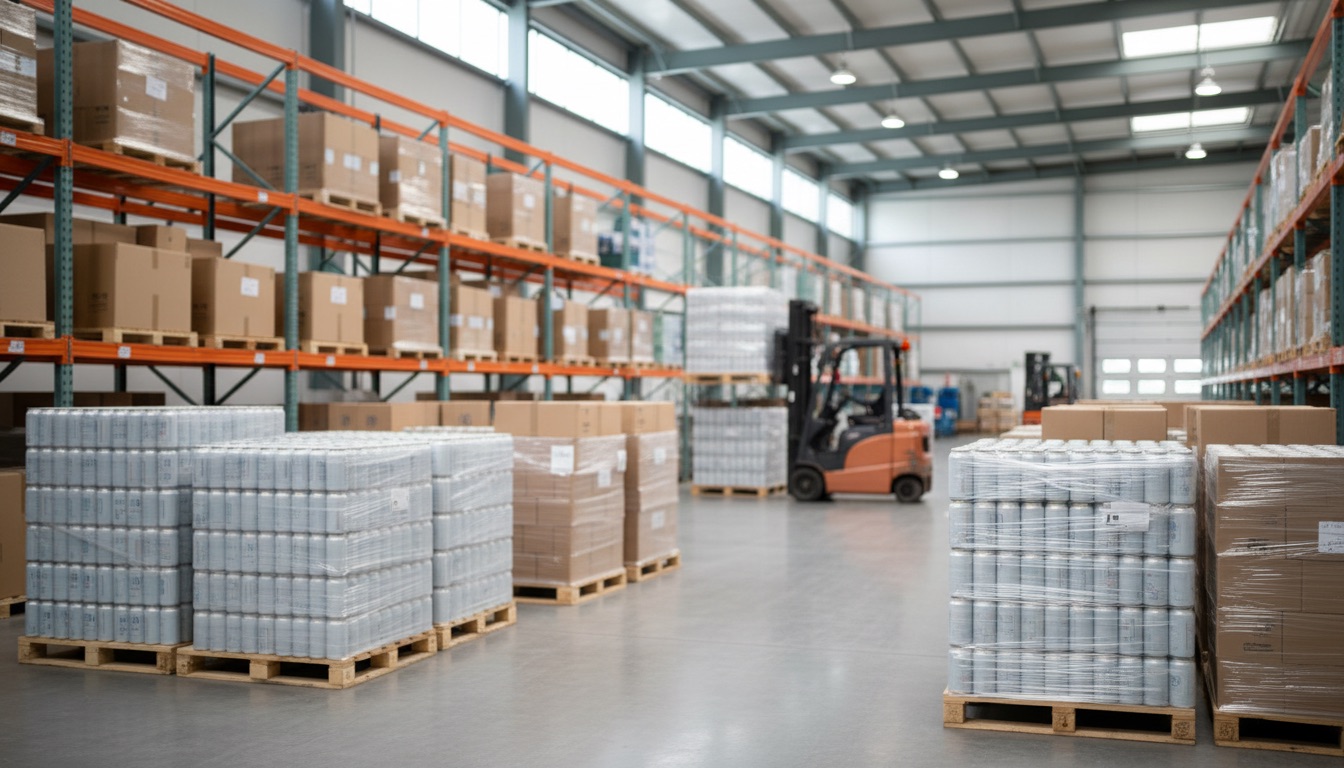
“Great product, beautiful cans, a launch party. Then: no listing, no distributor, nobody calling buyers. We had pallets and no revenue.”
What it costs. The whole launch budget. This is the most common and the most expensive way to fail.
What we do instead. The reason we exist. We work out where and how it will sell, and what that costs, before money goes into production. A co-packer fills. A partner sells.
About the numbers: typical market ranges, not quotes; they vary by product, chain, channel and volume. Stories are typical patterns we hear from founders, not named clients. Rules change; we check them for your product.